
First-person perspective
Capture natural, wearer-perspective footage that shows what a person sees while completing a task.
Collect first-person video of people performing everyday and specialist tasks. Annotexia helps robotics and embodied AI teams build thoughtfully planned egocentric datasets around real actions, objects, and environments.
Collection preview
First-person task capture
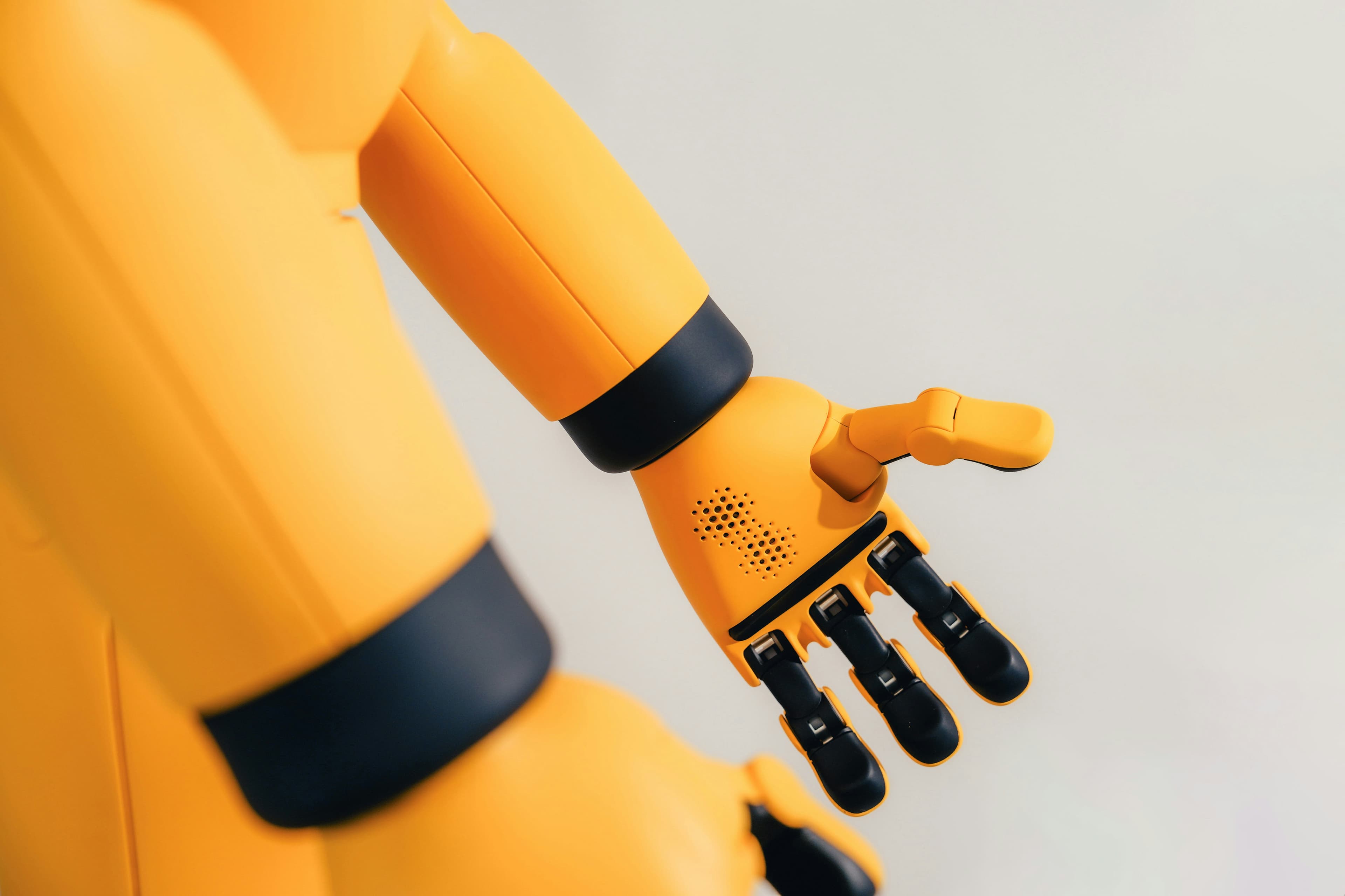 Human actions · Real-world tasksPhysical AI data
Task protocol
Capture
Review
Physical AI depends on more than recognizing objects. Systems also need examples of how people move through spaces, handle tools, and interact with objects over time.
Egocentric video makes those interactions visible from a first-person perspective. A well-designed collection plan helps teams capture relevant actions with consistent coverage and useful context.
We work with you to define the capture protocol, coordinate collection, and prepare reviewed video data for research and model development.
A flexible collection program shaped around your research question, operating environment, and data requirements.
Capture natural, wearer-perspective footage that shows what a person sees while completing a task.
Record hands, tools, objects, and action sequences as they come together in real environments.
Structure collection around your scenarios, task steps, environments, and coverage requirements.
Organize and review video assets with consistent metadata and project-specific delivery conventions.
Support the development of systems that need to perceive, reason, and act in physical spaces.
Collection protocols can incorporate project-defined consent, access, and sensitive-content handling requirements.
Robot learning from human demonstrations
Manipulation and household task research
Wearable and assistive robotics
Human activity and interaction understanding
Embodied agents operating in real environments
Long-horizon task planning and evaluation
A coordinated workflow helps keep field capture aligned with your project goals.
Align on target tasks, participant criteria, environments, capture devices, and success criteria.
Create practical recording instructions, consent materials, file conventions, and capture checklists.
Coordinate structured first-person recording sessions across the agreed tasks and settings.
Check completeness, technical quality, metadata, and agreed privacy requirements before handoff.
Collection scope, participant volume, locations, equipment, and final deliverables are defined together during project planning.
Egocentric video is recorded from a first-person perspective, often using a head-mounted or wearable camera. It gives AI teams visual examples of tasks and interactions from the actor's point of view.
First-person recordings can help teams study how people perceive and act in physical environments. They can support datasets for robotics, embodied AI, task understanding, and human-object interaction research.
Yes. Collection plans can be tailored to your task list, environments, participant profile, capture equipment, metadata schema, and delivery requirements.
Privacy requirements are agreed during project design. Protocols can include participant consent, environment guidance, restricted access, and review or handling rules for sensitive content, subject to the project scope.
Tell us about your tasks, environments, and research goals. We’ll help shape a practical collection workflow.